

Internet of Things (IoT) technology can be used by smart home gadgets to control appliances and automate processes. Some examples include turning out the lights, lowering the thermostat, and getting the coffee ready at seven in the morning. Students at Lehigh are working to improve Smart Spaces technology that can adapt to the intentions and actions of users.
Energy Efficiency
Smart homes save energy greatly. IoT and home automation cut energy expenditures for households. Smart appliances with energy management, smart thermostats, and smart locks can save energy by turning off lights when they’re not in the room, closing doors and windows, and running the dishwasher or washing machine when electricity is cheapest.
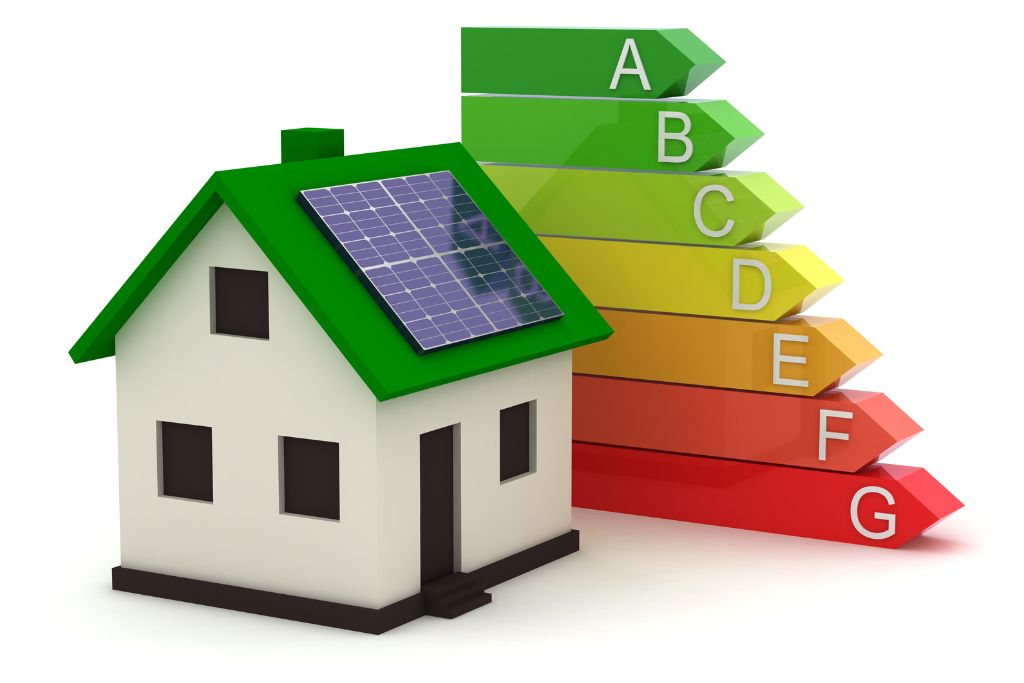
Smart home Internet of Things devices can anticipate and report energy usage in real-time. This helps discover wasteful practices like leaving lights on or running the air conditioner while no one is home. It reduces utility expenses and carbon footprints. Remotely controlling various house functions saves time and is good for disabled persons, who may avoid repetitious tasks.
Security
Cameras, locks, and alarm systems let you remotely monitor your home. They’ll also wake you up and brew coffee if smoke or fire is detected.
Smart home technology is convenient and safe, but hackers can hack it. Device updates are essential. Check if your device manufacturer has a centralized mechanism for checking and installing updates.

Enterprises utilize many of the same gadgets as homes. This has raised concerns about how malware can move between environments, especially for workers who carry their own devices like smartwatches or yoga mats. This can impact corporate network security.
Comfort
Smart home devices save energy and improve comfort. A smart thermostat can turn on the air conditioner before you get home from work to cool your home.
Smart home security systems can also notify you of smoke or break-ins. Smart home apps make remote home monitoring easier. A central hub can monitor your cameras, alarms, and locks, and a smartphone can stream live video.

IoT products can start a washing cycle or warm the oven before you get home. This simplified capacity can save hours and let you focus on other tasks. IoT also lets impaired persons control their environment and entertainment using voice commands.
Convenience
Smart home IoT devices can turn on your bedroom fan every night or start boiling your coffee at 7 am. Optimizing energy use and monitoring usage patterns saves money.
IoT gadget makers are always innovating to make your life easier. IFTTT, a free platform, connects products from many firms to reduce human tasks.
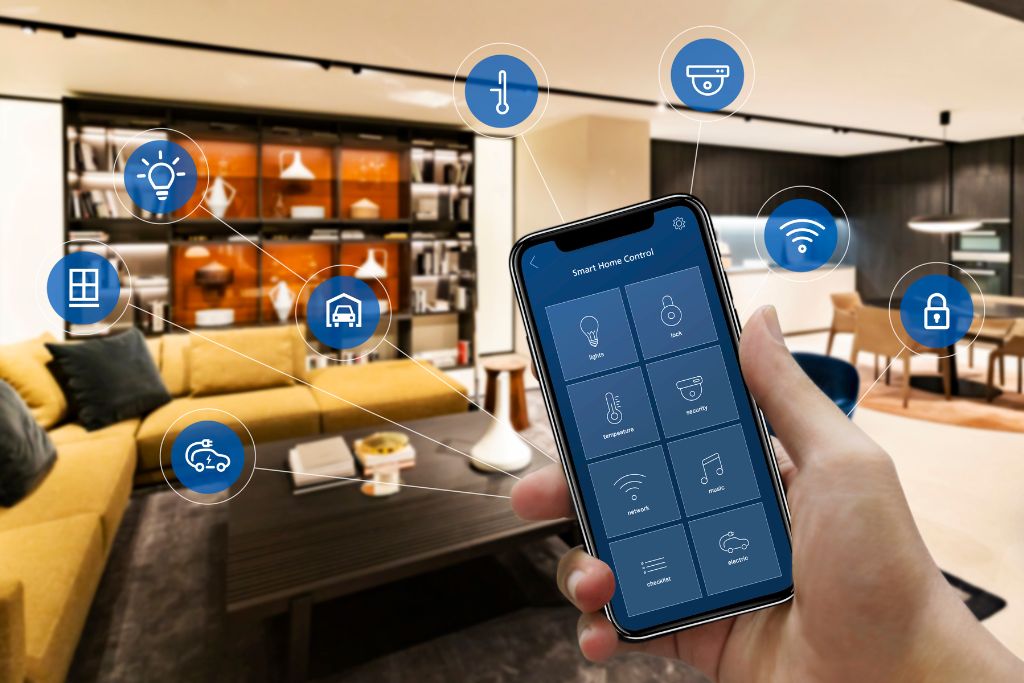
Amazon Alexa, Google Assistant, and Siri can be integrated with IoT devices. Not all voice assistants work with IoT devices. Apple HomeKit integrates Siri and other goods exclusively. Microsoft Cortana searches the web and maps places on iPhones and iPads.
As we construct smart living environments with IoT, we must remember city life’s vivid energy. Urban exploration maximizes IoT smart house use. We can enjoy American city life by smoothly integrating smart technologies into our homes. IoT is enhancing our world through smart cities, networked transit systems, urban agriculture, and green living. We can blend city activities and IoT-enabled home comforts by embracing city change and smart living environments. For details See “Urban Exploration—Experiencing America’s Vibrant City Life“.